Ecological Restoration in Cuicuilco: Alianza Vida Circular + LG Chem.
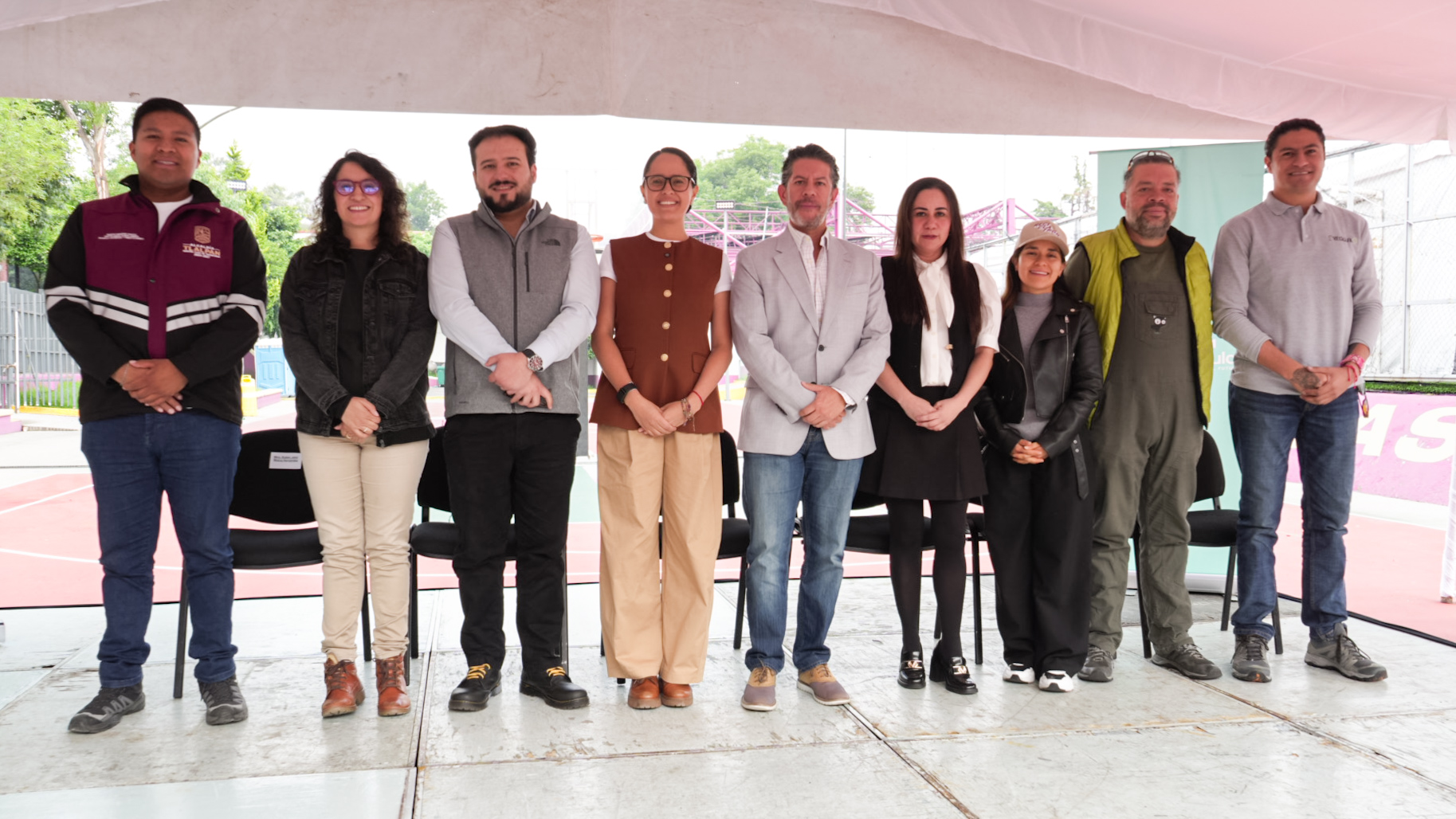
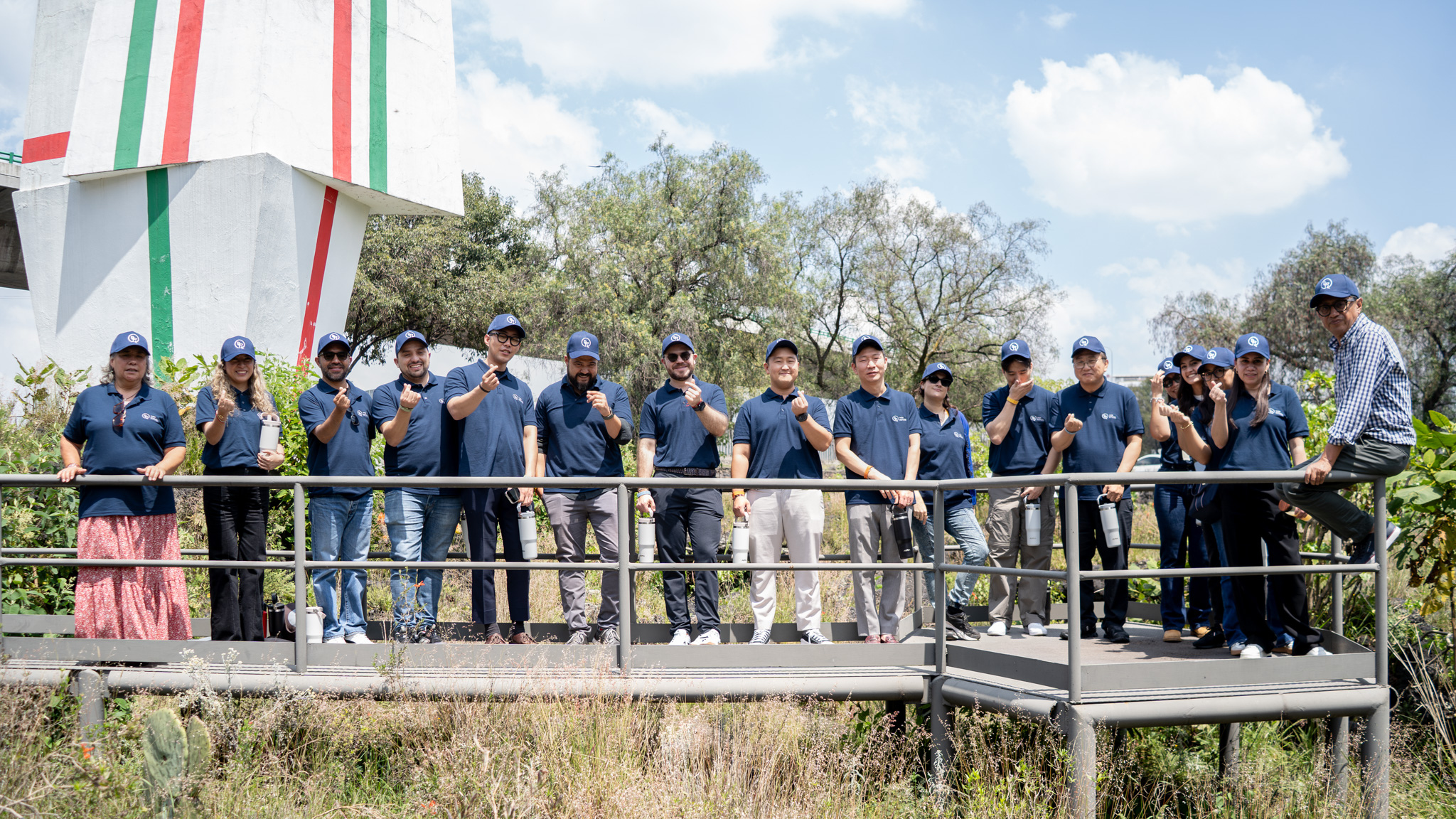
Vida Circular and LG Chem formalized a new alliance, which began with an environmental conservation action in public spaces of great historical and ecological value. As part of this collaboration, both organizations participated in a day of ecological restoration in the surroundings of the "Ruta de la Amistad", where there are a series of sculptures destined to decorate the Periferico area, south of Mexico City.
This environment is part of the Jardines del Pedregal, a unique ecosystem originated more than two thousand years ago from the eruption of the Xitle volcano. Its historical and natural value makes it an environmental heritage site for Mexico City.
The initiative aimed to contribute to the conservation of flora in public spaces, through activities to reforest and restore the ecosystem, while reinforcing the commitment of both entities to the preservation of Mexico's cultural and natural heritage.
What is the Friendship Route?
La Ruta de la Amistad is a sculpture corridor created on the occasion of the 1968 Olympic Games. It runs along the Periferico Sur and brings together 19 monumental sculptures created by artists from different countries. These pieces were originally installed in open areas, with the purpose of integrating art, landscape and urban mobility in the same cultural space.
Among the most representative works is "Articulated Wall", a 16.5-meter-high piece composed of 33 reinforced concrete bars joined around a central steel axis. The sculpture was created by artist Herbert Bayer and stands out for its harmonious and inspiring design.
Ecological restoration actions
Within the Jardines del Pedregal is a cultural environment surrounded by native species of flora and fauna, including orchids and bats, which play a fundamental role in the infiltration of rainwater, helping to recharge the city's aquifers.
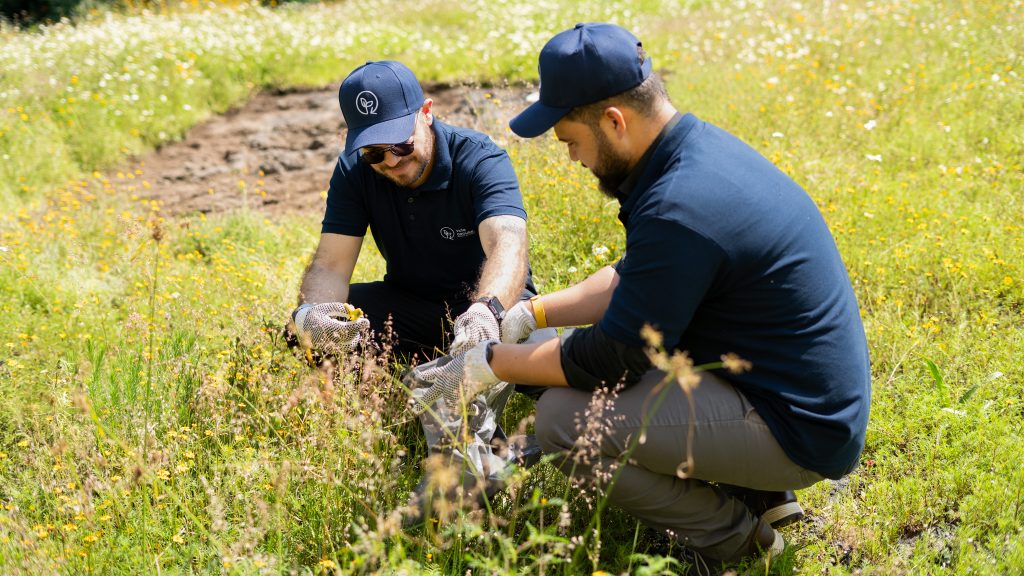
Protecting this ecosystem is essential to preserve biodiversity and maintain the environmental balance of the area, so the work focused on two main actions, in which teams from LG Chem and Vida Circular participated:
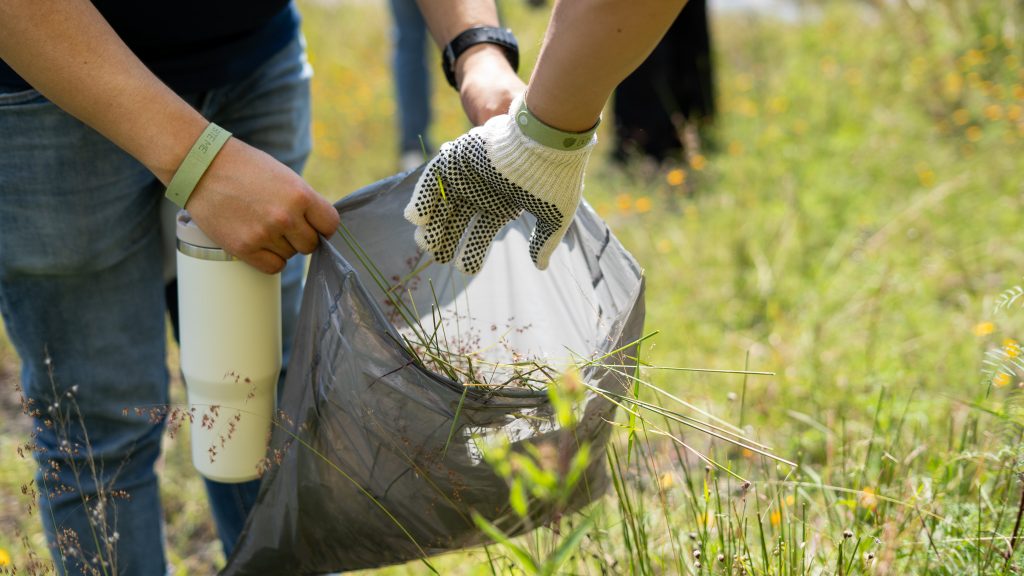
African grass (Cynodon dactylon) removal.
This invasive species has spread aggressively in various areas in the south of the city. Its presence displaces native vegetation and threatens native biodiversity.
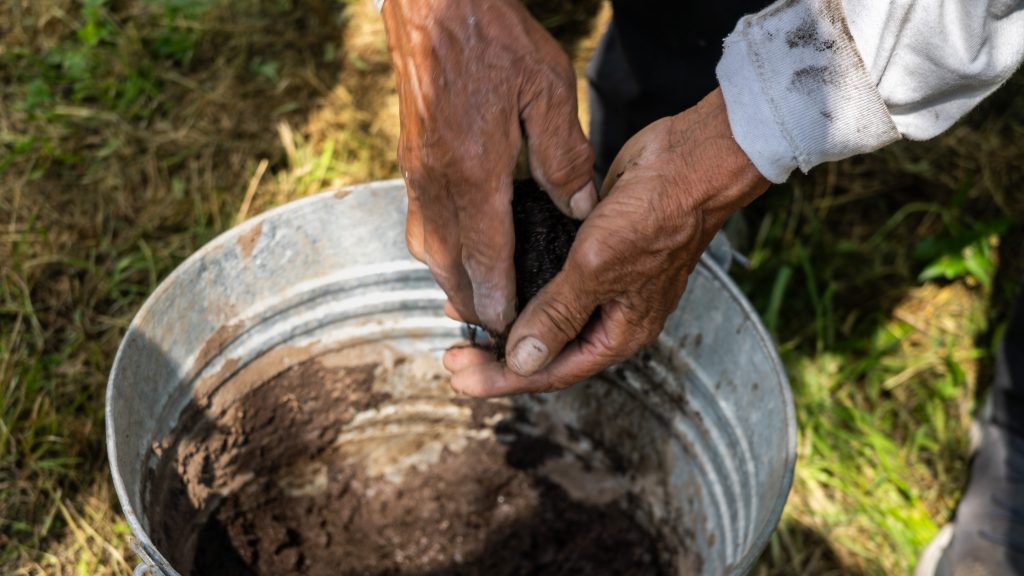
Creation and placement of "life bombs
Small spheres were made with clay and native plant seeds, which were distributed around the perimeter of the sculpture. These pumps act as germination capsules: once they receive moisture from rainfall, the seeds sprout and begin to restore the original vegetation cover of the site.
These actions are part of a comprehensive strategy of participatory ecological restoration, which seeks to involve companies and organizations in the conservation of public spaces and strategic environmental corridors for the city.
Conserving the Jardínes del Pedregal means protecting an ancient volcanic formation and preserving its ecological functions, such as water filtration and the protection of native species.
To care for this space is to ensure that the city maintains a green lung and a corridor of life that connects culture, nature and community.
A partnership with a sustainable vision
LG Chem's participation in this activity marks the formal start of its partnership as a sponsor of Vida Circular. The company, a global leader in the chemical industry, seeks to promote circular economy and sustainability initiatives in Mexico, actively contributing to the conservation of urban ecosystems and the reduction of environmental impacts.
With this type of partnership, Vida Circular and LG Chem demonstrate that collaborative action is key to preserve and regenerate our common spaces, integrating culture, environment and social participation.