World Environment Day: A Special Mission to Care for Our Planet
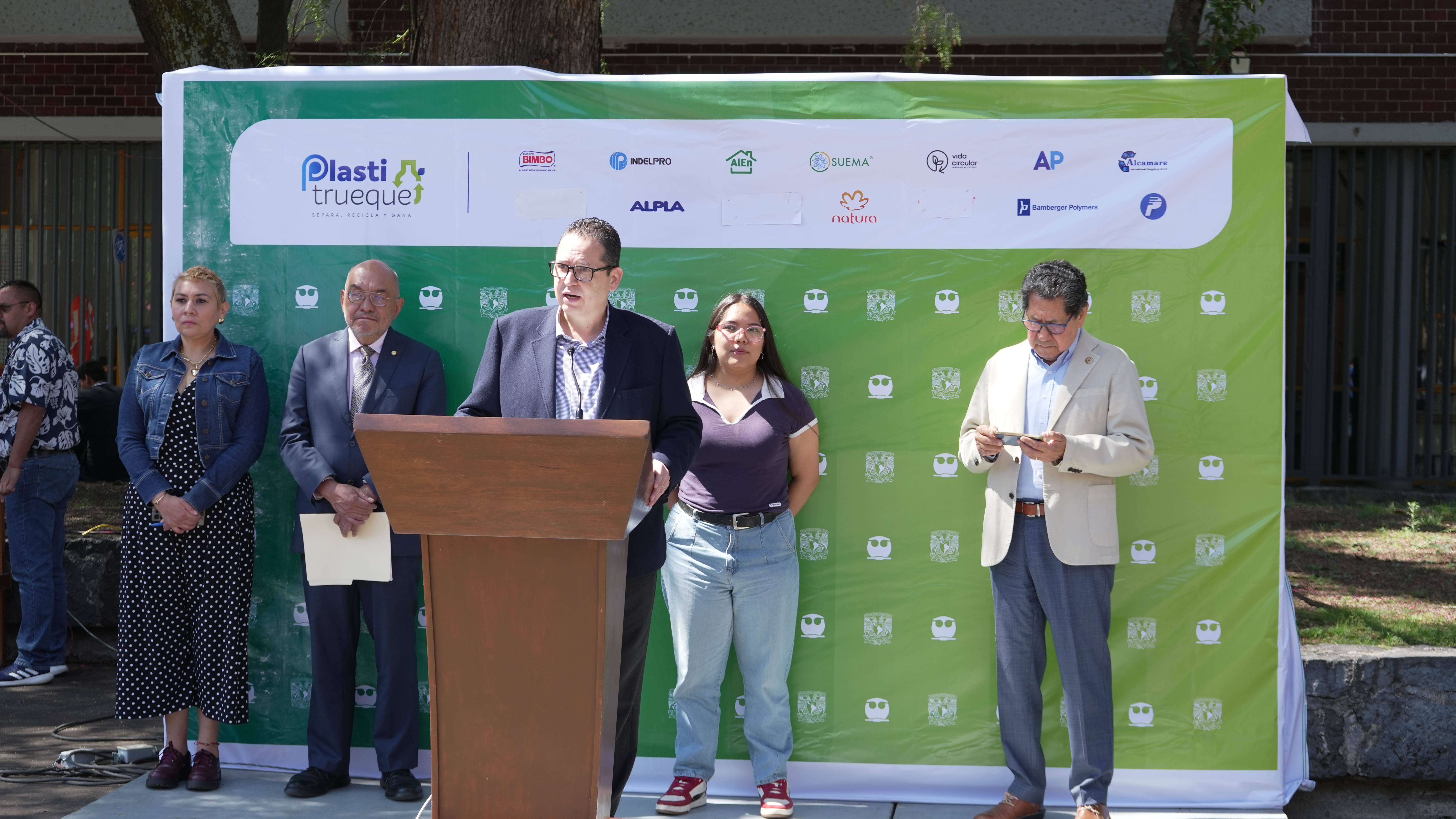
The goal of this latest edition of Plastitrueque—an initiative promoted by Braskem Idesa in partnership with allied companies and associations—was to foster a culture of recycling and bring the circular economy to a wider audience.
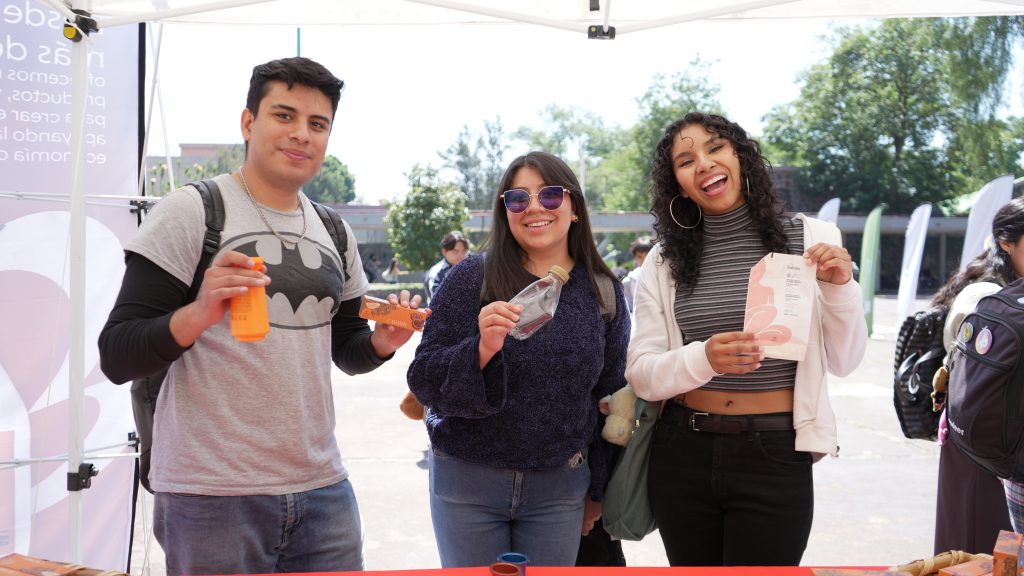
The event took place on May 14 at the UNAM School of Chemistry, where students, families, and the general public participated in an initiative to exchange plastic waste for essential goods.
The initiative represents a collaborative effort to promote the proper sorting of plastic waste and to encourage public participation in recycling and the responsible reuse of materials.
A model that promotes recycling and the circular economy
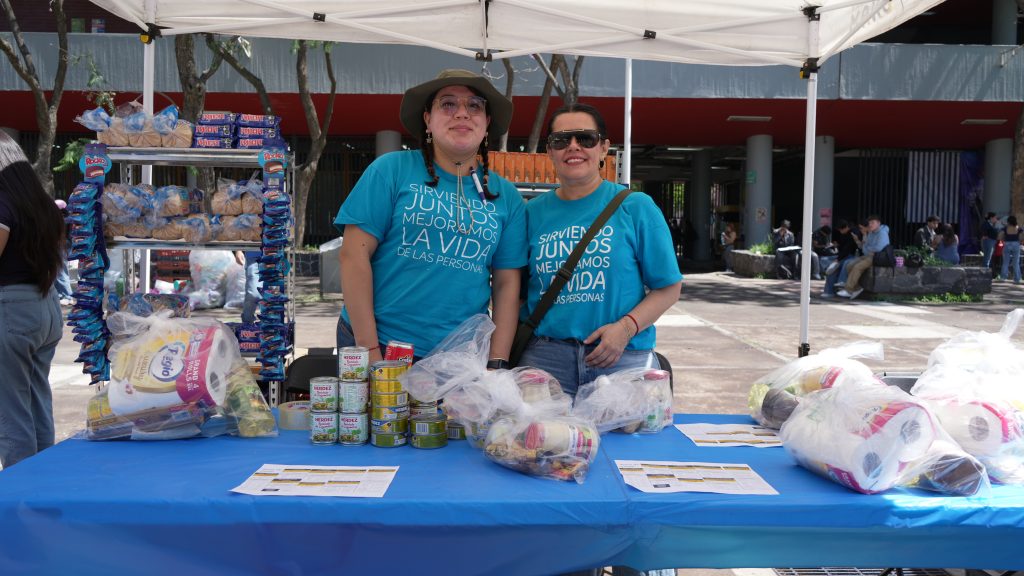
Plastitrue operates through an exchange program in which people donate recyclable materials and receive in exchange groceries, fruits, vegetables, cleaning supplies, school supplies, and personal care products.
This model aims to encourage responsible consumption habits and demonstrate that properly sorted waste can be reintroduced into new production cycles.
In addition to promoting plastic recycling, the initiative promotes environmental education and raises awareness of the concept of the circular economy for plastics among various sectors of society.
Results of the recycling event at UNAM
As a result of this year's Plastitrueque event, 1,600 kilograms of plastic waste were collected for recycling.
The event benefited 91 families and resulted in an estimated reduction of 2,400 kilograms of CO₂ through the reuse of recovered materials.
In addition, more than 600 essential items were exchanged during the event, reflecting the social and environmental impact that this type of circular initiative can have.
Waste separation and responsible recycling
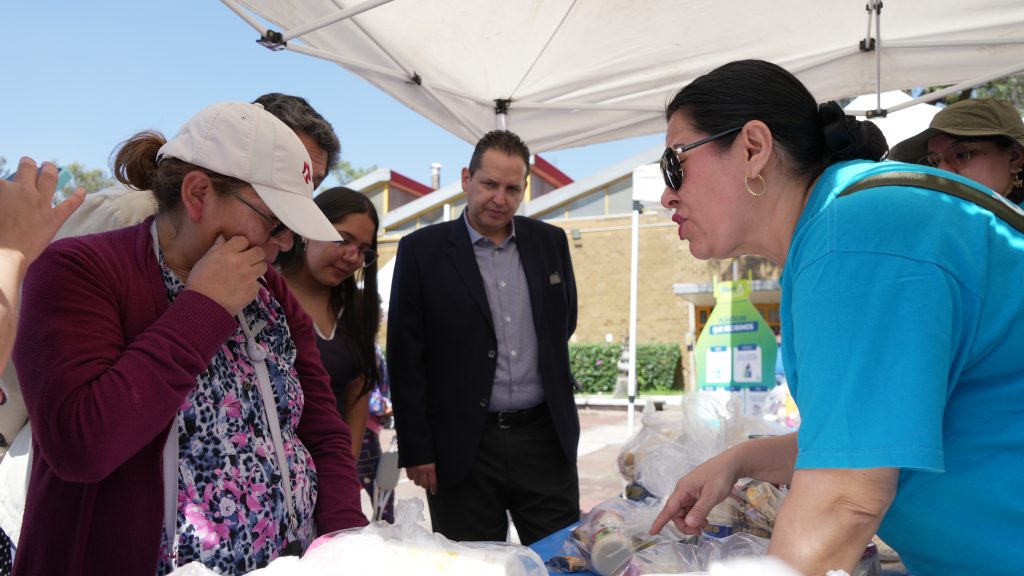
One of Plastitrueque's main goals is to improve the proper identification and separation of plastic waste to facilitate its recycling.
The initiative promotes responsible practices that make it possible to reuse materials and incorporate them back into production processes, preventing them from becoming waste.
This approach helps foster a culture of recycling based on the responsible management of waste and the active participation of citizens.
Citizen participation and collaborative work
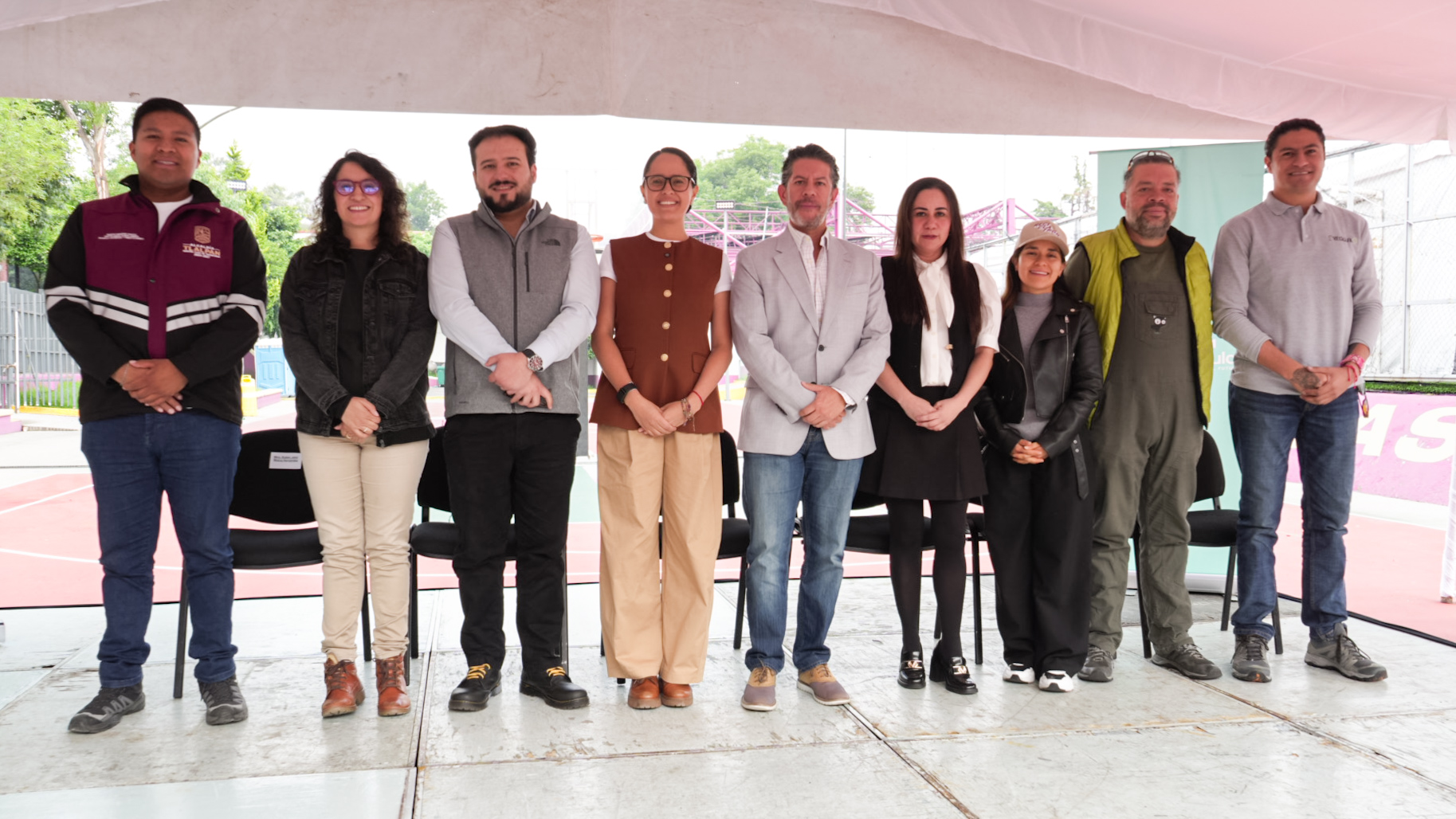
The event held at the UNAM School of Chemistry brought together students, families, volunteers, and strategic partners, who joined forces to make this circular initiative a reality.
Participating organizations included ALPLA–Vida Circular, Alen, Bimbo, Barcel, Ambiente Plástico, Indelpro, Bamberguer Amco Polymers de México, Polyrafia, Rekolecta, Natura, ANIPAC, SUEMA-Recíclalo, and Alcamare.
Collaboration between industry, associations, and the community demonstrates how working together can strengthen initiatives focused on recycling and the circular economy.
Environmental education to promote sustainable habits
In addition to facilitating the exchange of materials, Plastitrueque serves as an educational program that promotes awareness of proper plastic waste management.
Through these types of activities, we aim to promote waste separation and recycling habits that contribute to better utilization of recyclable materials.
The involvement of students, families, and volunteers shows how small actions can have a positive impact when undertaken collectively.
Plastitrueque is an initiative that combines recycling, community involvement, and the circular economy to promote the responsible use of plastic waste.
The results obtained during the event at UNAM demonstrate how collaboration among different stakeholders can yield environmental and social benefits through concrete recycling initiatives.
By promoting proper waste separation and fostering a culture of recycling, these types of programs help build more sustainable and participatory models.