
EcoCambio in Iztapalapa: an initiative that promotes recycling and the circular economy
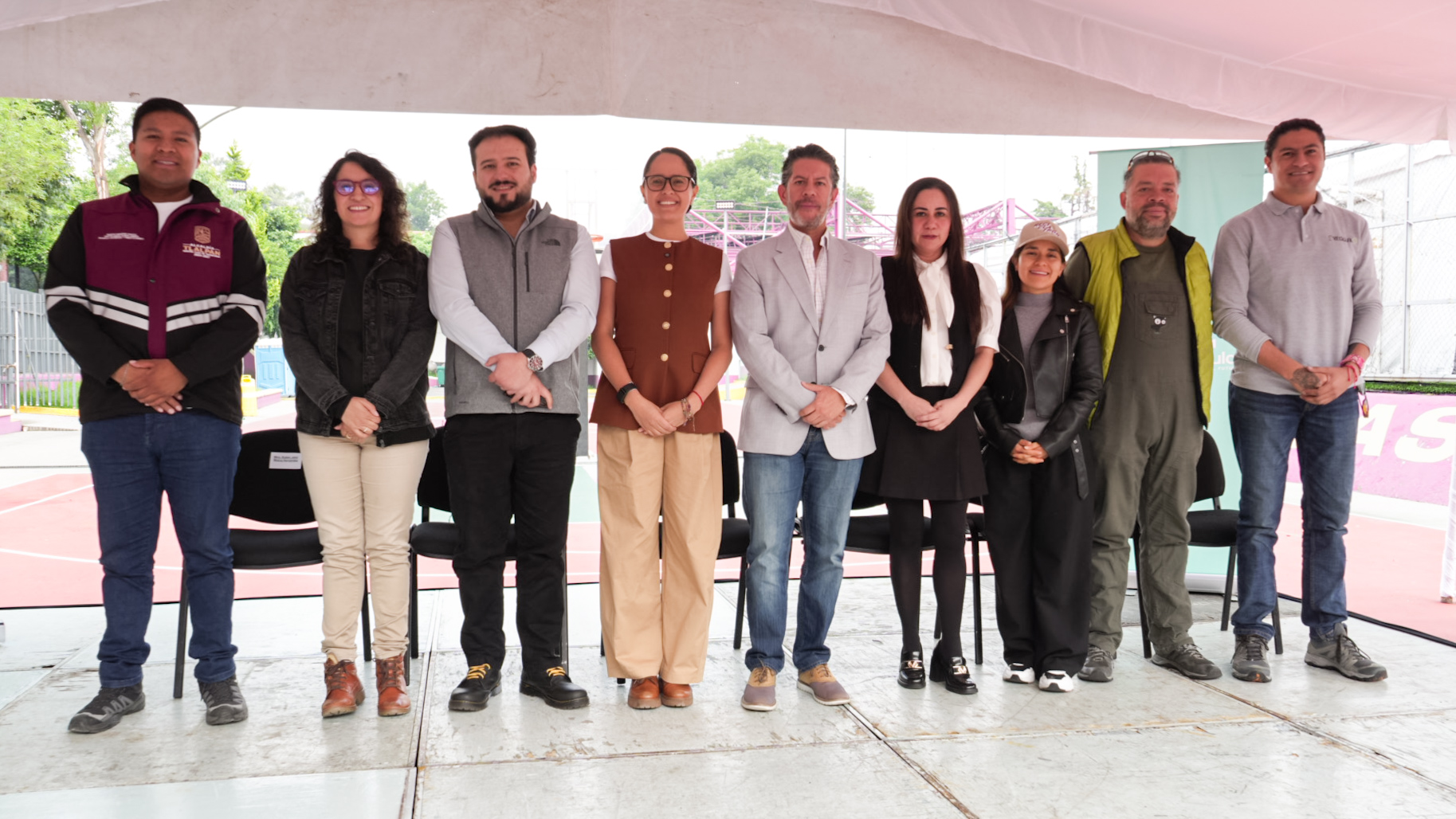
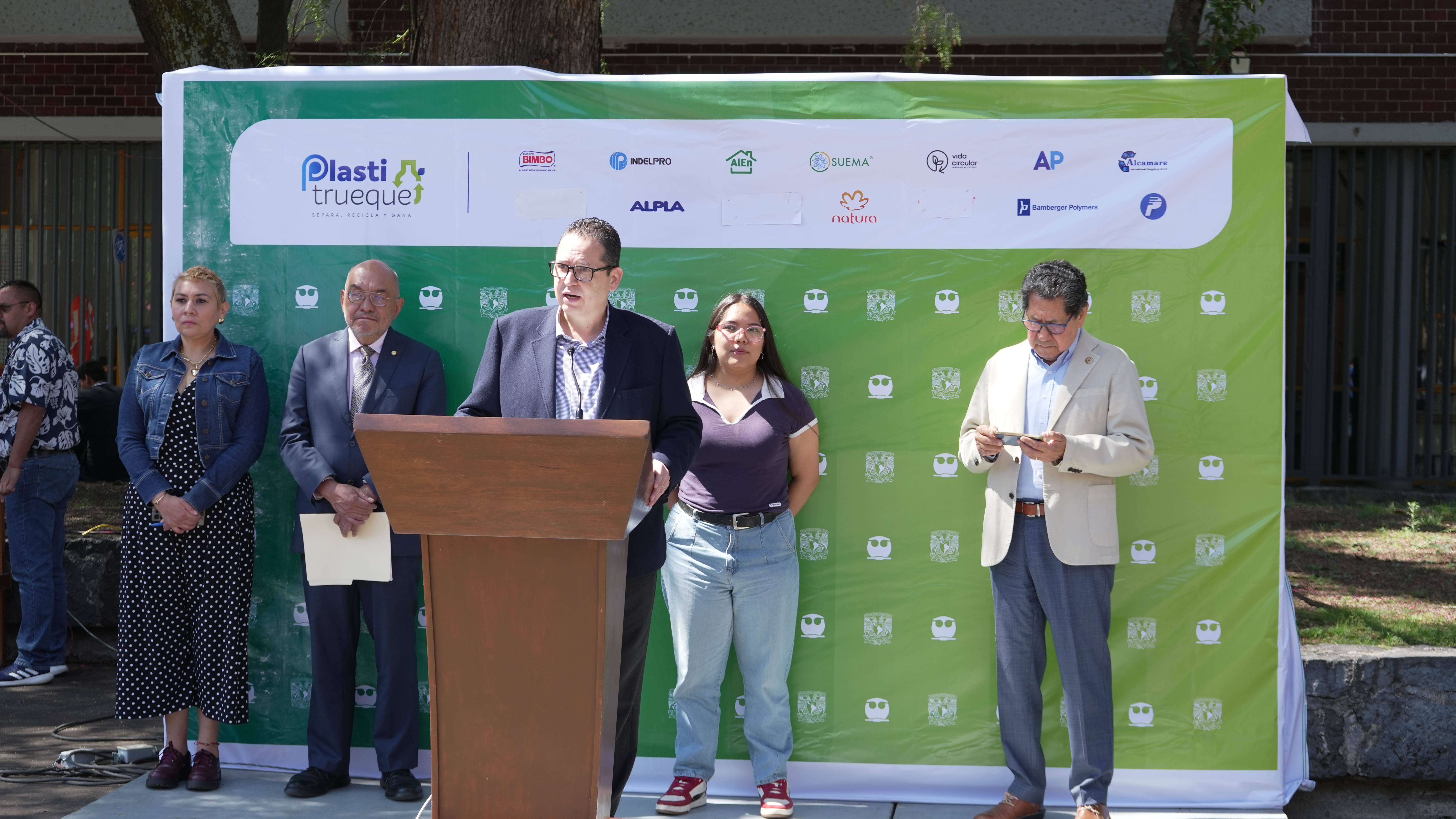
With the aim of strengthening the circular economy in Mexico and raising public awareness of recycling, Vida Circular participated in an EcoCambio event held at the recycling center located at the Iztapalapa Cultural Center, in partnership with the Iztapalapa Mayor’s Office.
This initiative represents an effort to encourage waste separation and foster a more active environmental culture in densely populated communities, such as Iztapalapa.
EcoCambio: Recycling with Incentives for the Community
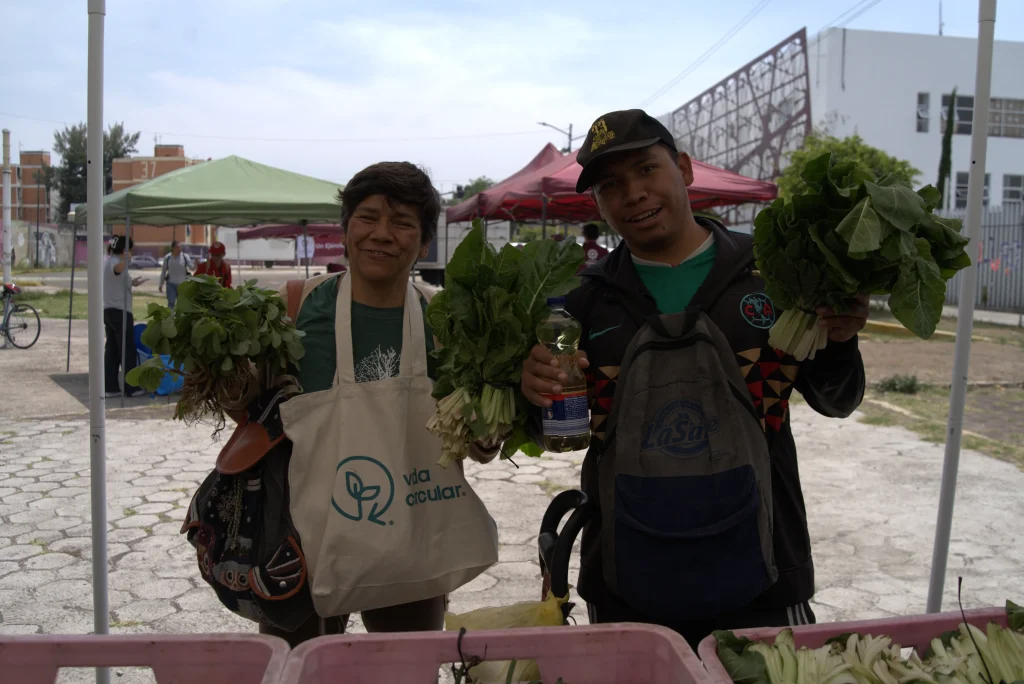
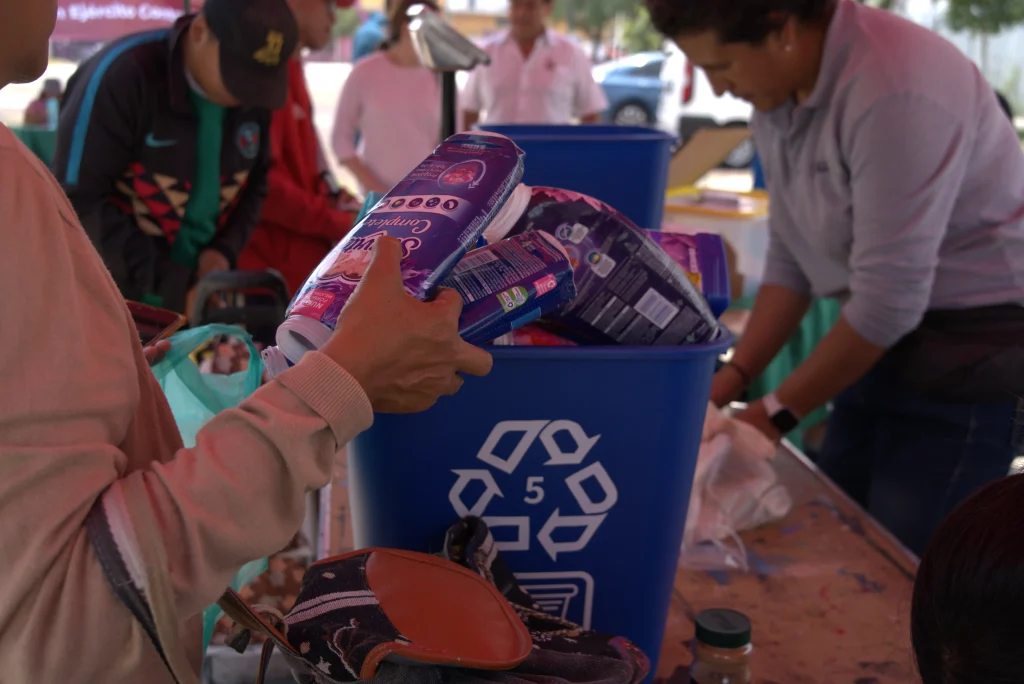
EcoCambio is a program designed to encourage recycling through an exchange system. Through this initiative, people can bring in recyclable materials and exchange them for basic food items, such as rice, oil, soup, or vegetables.
This approach links proper waste disposal to benefits that benefit the public, which encourages the adoption of responsible habits and strengthens citizen participation in recycling efforts through incentives.
In addition, the model helps change perceptions of waste by demonstrating that it can be turned into a valuable resource when managed properly.
Recycling Center in Iztapalapa
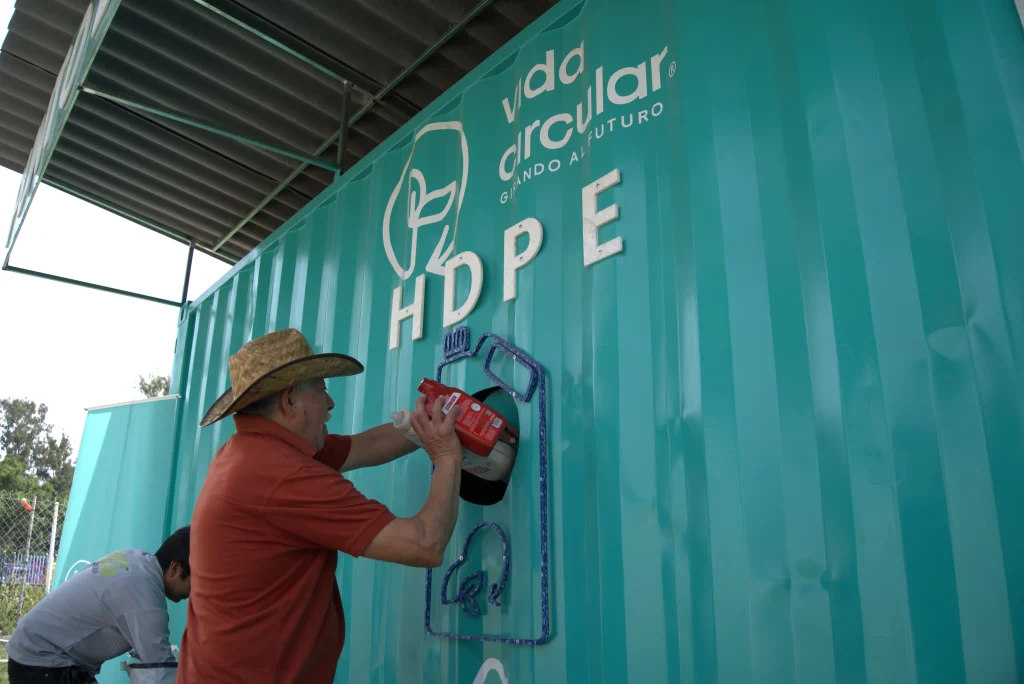
The recycling center in Iztapalapa serves as an accessible facility for the collection and proper management of recyclable materials. During EcoCambio events, various types of plastics are accepted, including PET, HDPE, and PP.
Once collected, these materials are sent to collection centers where they are sorted and processed. They are then transported to recycling plants such as PLANETA and ALPLA Recycling.
At these facilities, waste is transformed into recycled raw materials, which can be reused in the manufacture of new products, thereby promoting a circular economy model in which materials remain in use for longer.
Results and Impact of Recycling on the Community
The recycling center not only makes recycling easier, but also has an environmental, social, and economic impact on the community.
It is estimated that each EcoCambio event recovers between 250 and 400 kilograms of recyclable materials. Over the course of a year, this can amount to nearly five tons.
These results highlight the potential of local initiatives to foster an environmental culture in communities and establish recycling practices that help reduce waste.
Circular economy: from waste to resource
The circular economy proposes a model in which materials are not discarded but are reintroduced into production cycles.
In the case of recycling PET, HDPE, and PP plastics, this process allows the recovered waste to be transformed into new materials, preventing it from becoming trash and harnessing its value as a raw material.
Initiatives like EcoCambio demonstrate how properly sorting waste and directing it to recycling systems can help close material loops and optimize the use of resources.
Citizen Participation and Environmental Awareness
One of the key elements of the program is active citizen participation. By bringing recycling to community spaces and linking it to direct benefits, the program makes it easier for people to adopt sustainable habits.
For Vida Circular, these kinds of initiatives help bring the circular economy to local communities, connecting people with concrete solutions that have a positive impact on their surroundings.
In addition, the EcoCambio model helps foster an environmental culture in communities by promoting education on proper waste management and the value of recyclable materials.
A replicable model of community recycling
The implementation of the recycling center and the eco-exchange program demonstrates that recycling solutions can be scalable and replicated in other areas.
By integrating citizen participation, collection infrastructure, and connections to recycling facilities, we are building a model that enables progress toward more sustainable systems.
EcoCambio thus offers an alternative that combines social and environmental benefits while promoting the circular economy in Mexico at the local level.
Vida Circular's participation in EcoCambio underscores the importance of launching initiatives that bring recycling closer to communities and promote proper waste management.
The recycling center in Iztapalapa demonstrates that recycling, when combined with incentives, can be an effective tool for fostering responsible habits and moving toward a model where waste is transformed into resources.
These types of initiatives not only help reduce waste, but also strengthen the circular economy and generate tangible benefits for society.