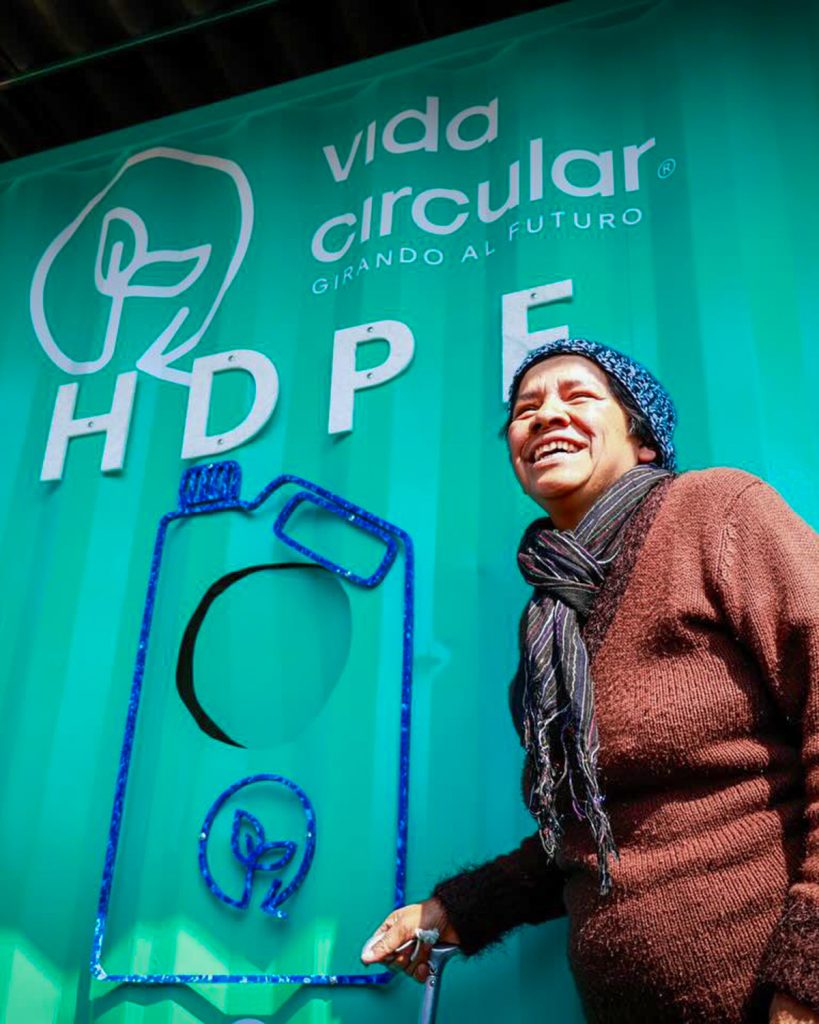

More than 200,000 bottles per year will return to the production cycle thanks to a new recycling point.
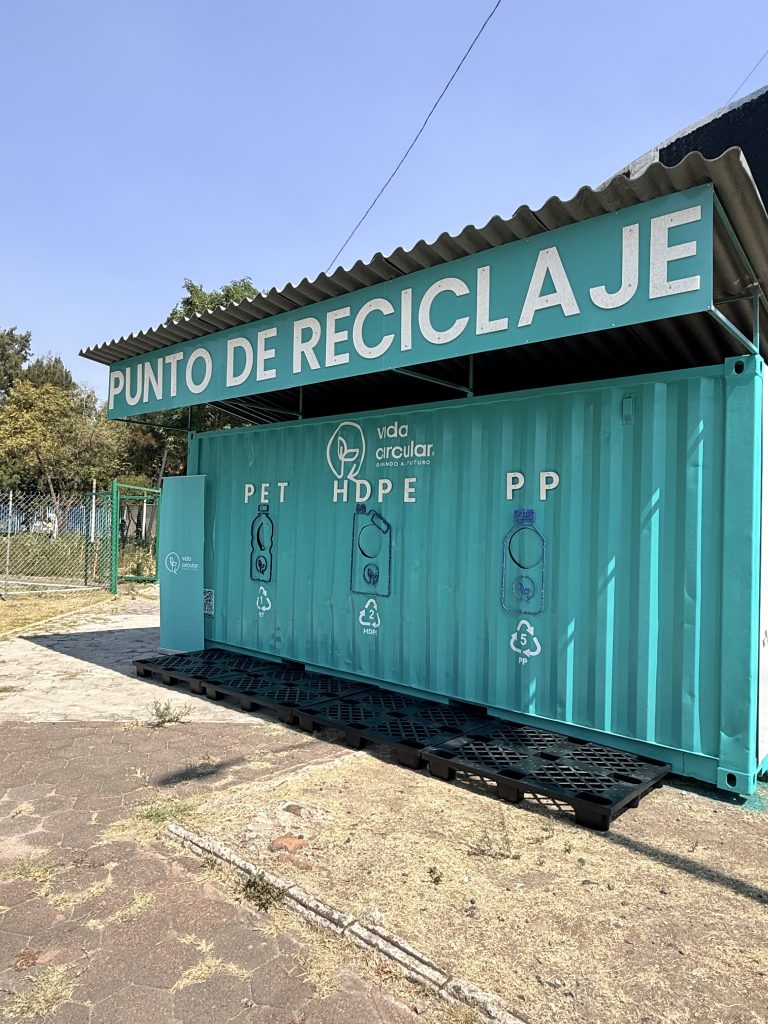
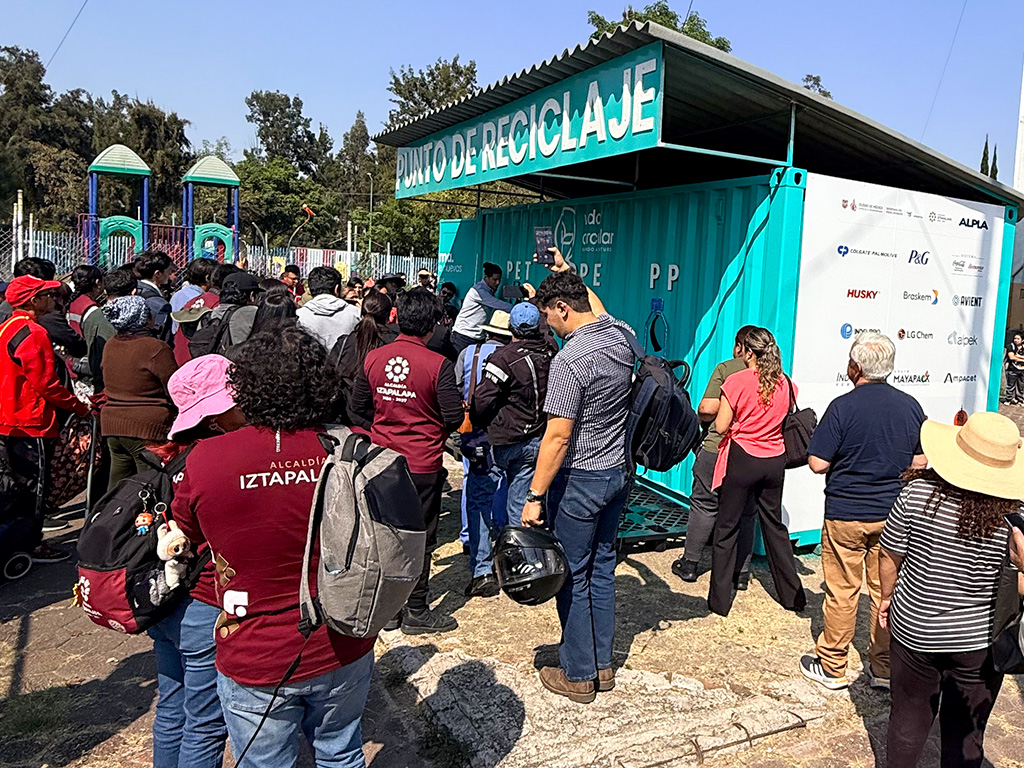
The transition from environmental education to tangible infrastructure marks a new step forward in consolidating the circular economy in Mexico. More than 200,000 plastic bottles will be able to be reincorporated into the production cycle each year thanks to the first recycling point promoted by Vida Circular, ALPLA, and their sponsors.
With an estimated recovery target of five tons per year, this initiative represents a strategic step toward strengthening waste management and turning the principles of the circular economy into action.
From environmental education to real infrastructure
In recent years, environmental education has been a priority in promoting responsible habits in waste separation and management. However, moving towards a circular model also requires infrastructure that allows education to be transformed into measurable results.
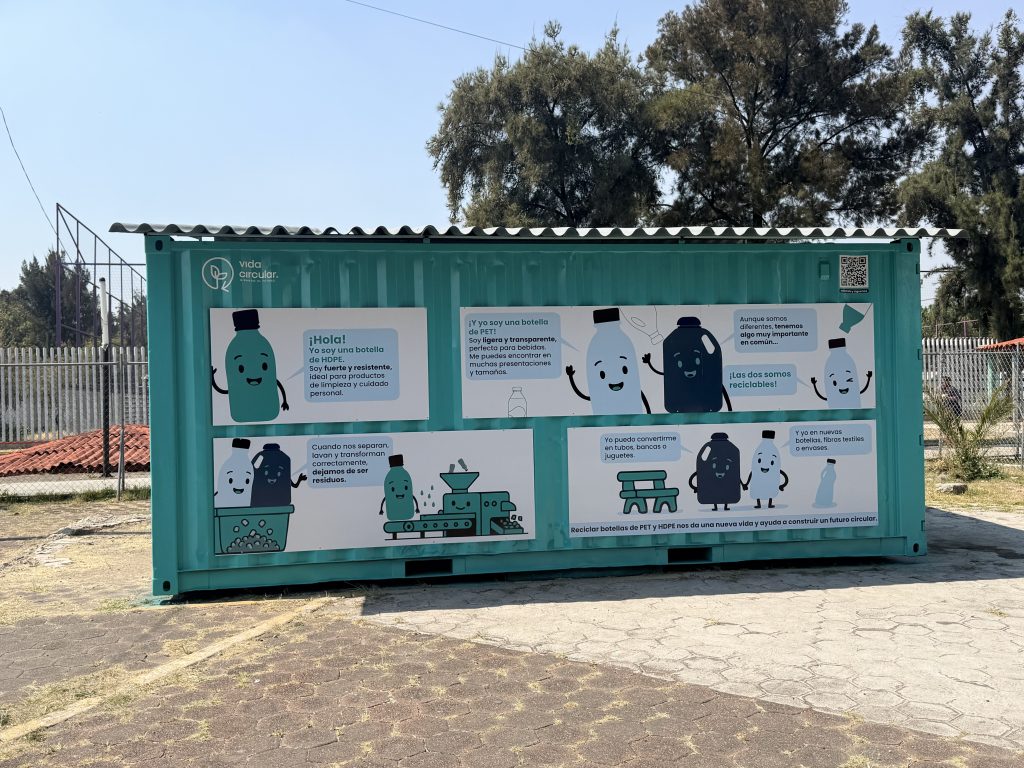
The new Recycling Point represents this change. What was previously a means of disseminating information and raising awareness has now been transformed into an operational solution that facilitates the recovery of recyclable materials.
This project demonstrates that the circular economy depends not only on intention, but also on systems that enable materials to be closed-loop and reincorporated into the production process.
Infrastructure and collaboration as the basis for the circular economy
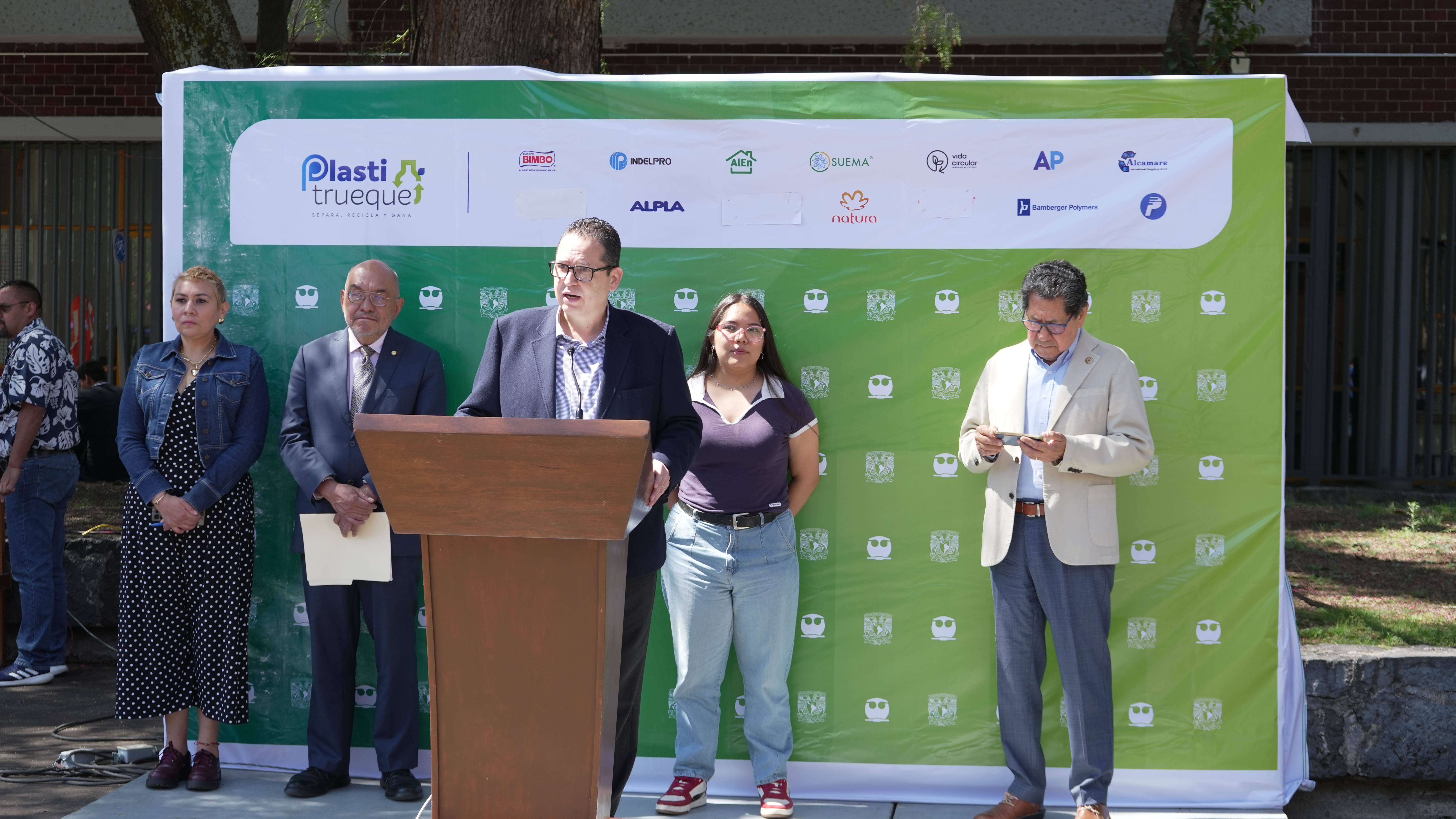
Carlos Torres, Managing Director of ALPLA Mexico, highlighted the strategic importance of this effort, noting that the circular economy requires both infrastructure and multisectoral collaboration.
The project reflects coordination between industry, government, and citizens, demonstrating that responsible waste management requires the active participation of different actors to generate real impact.
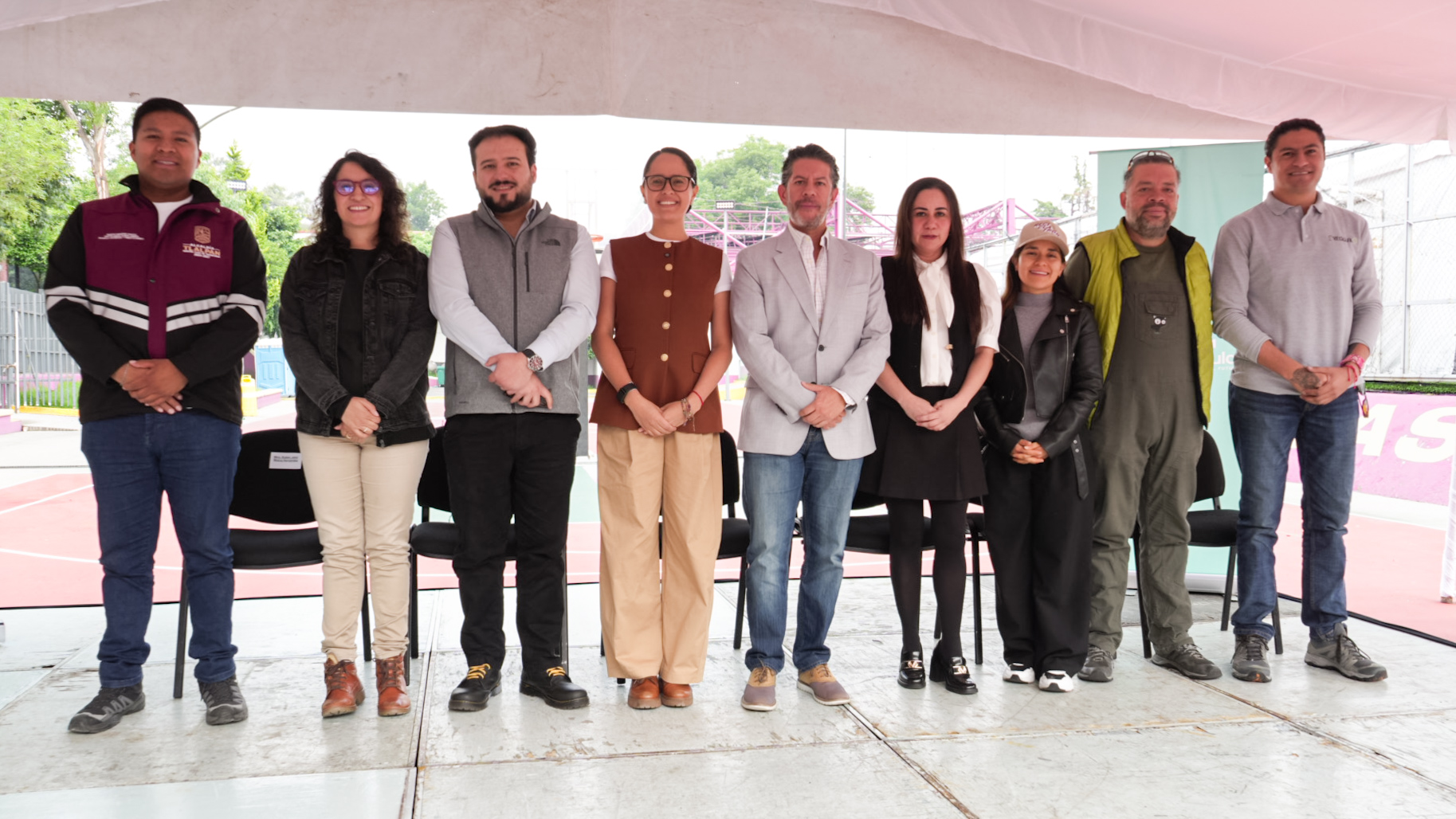
The launch of the Recycling Point was formally endorsed by environmental authorities, including national leaders in waste management and representatives from the local environmental sector. This participation reinforces the alignment between private initiative and public policy around the circular economy in Mexico.
A regulatory environment that drives the circular transition
The launch of this infrastructure comes at a key moment for the country. Mexico is undergoing a period of regulatory transformation with the implementation of the General Law on Circular Economy and the development of new regulatory frameworks that redefine waste separation and management.
In this scenario, initiatives that strengthen recycling infrastructure take on special relevance, as they enable progress toward a more structured model that is aligned with the principles of sustainability.
Sector leadership and national recycling agenda
The commitment to the circular economy is not limited to physical infrastructure. It is also reflected in active participation in leadership roles within the sector.
ALPLA will chair ANIPAC's Recycling Section during the period 2026–2028, strengthening the sector's representation in the development of a national recycling agenda.
Sandra Gazca, Executive Director of Vida Circular and Head of Marketing, Sustainability & Public Affairs at ALPLA Mexico, has been appointed Chair of this section. This appointment reinforces the sector's presence in defining strategies related to waste management and the development of the circular economy in Mexico.
This dual focus on infrastructure and leadership demonstrates a long-term commitment to consolidating an operating system based on material circularity.
Environmental education with measurable impact
At Vida Circular, environmental education is established as the starting point for promoting sustainable change. However, this initiative demonstrates that awareness gains greater strength when accompanied by infrastructure that facilitates action.
The global momentum of Plastic is Fantastic reinforces the connection between local and international efforts, expanding the reach of initiatives and demonstrating that collaboration between different levels can enhance impact.
The combination of education, infrastructure, and institutional collaboration strengthens the transition toward a model in which the circular economy becomes a structural practice rather than merely a conceptual one.
A decisive step toward an operational circular system
The creation of the first Recycling Point promoted by Vida Circular and ALPLA represents a concrete step forward in building a more robust recycling system in Mexico.
In a regulatory environment that promotes the circular economy, the integration of infrastructure, sector leadership, and environmental education allows for the consolidation of a model oriented toward measurable results.
The recovery of more than 200,000 bottles per year not only represents a significant figure, but also an example of how collaboration between industry, authorities, and citizens can transform sustainability principles into concrete actions within the production chain.