

International Beach Cleanup Day: recycling plastics to protect the oceans
Every year, thousands of volunteers participate in International Beach Cleanup Day, a day that reminds us that the trash that finds its way into the sea often starts with our hands.
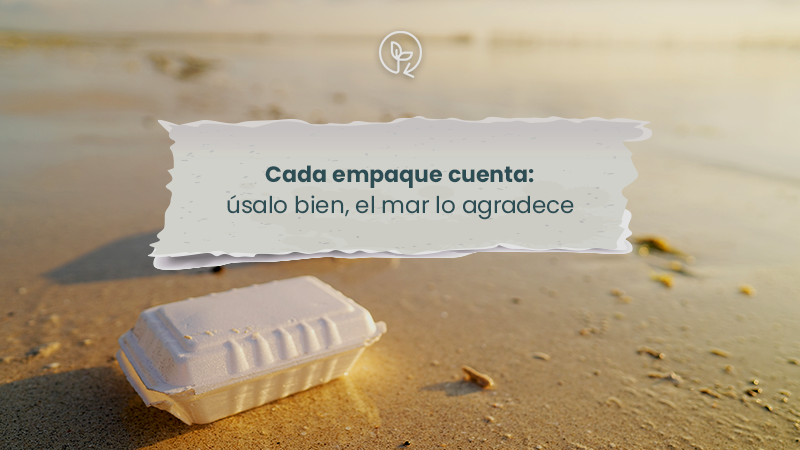
Most of the garbage that reaches the sea comes from land-based activities: household waste, packaging, stormwater runoff, discharges from rivers, and losses in waste management systems. Global assessments estimate that approximately 80% of marine pollution has a land-based origin. This means that what we consume, throw away or leave on public roads may end up days, weeks or months later on a beach on the other side of the world.
In coastal cleanups, the same findings are repeated: containers, lids, wrappers and cigarette butts. This is the key: it is not about completely eliminating plastic from our lives, but about recycling it and returning it to its productive cycle so that it does not end up in rivers and beaches.
Recycling plastics: the best strategy to keep them out of the sea
Plastic is a valuable and versatile material: it protects food, prevents waste and makes everyday life easier. The problem is not its use, but its poor disposal.
What to do as a responsible consumer?
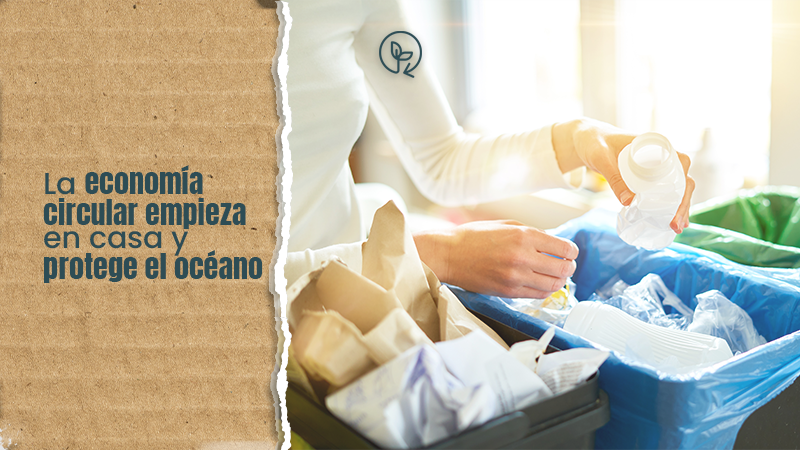
- Separate your waste: identify recyclable plastic containers and place them in the appropriate container.
- Avoid throwing them in the street: even a forgotten bottle can be washed by the rain into a river.
- Participate in recycling programs: many municipalities and companies offer collection points or incentives for returning containers.
- Supports the circular economy: every package that is recycled can be turned into a new product, reducing the need to produce virgin plastics.
International Beach Cleanup Day: facts to inspire action
- Since its inception, more than 18 million volunteers have participated in the International Coastal Cleanup, collecting more than 380 million pounds of trash.
- Among the most frequent wastes are plastic bottles and caps, a reminder that, if they were recycled correctly, they would not appear on the beaches.
- The data collected are used to design public policies and improve waste management systems.
How can you help even if you don't live on the coast?
Even if you live far from the sea, your actions have a direct impact:
- At home: separate your waste and deliver recyclable plastics to collection centers.
- In the community: organize cleanups in rivers, lakes or parks; debris on land often reaches the sea.
- In consumption: prefer products that can be easily recycled and opt for returnable packaging.
- In education: share what you know. Explaining that plastics are recyclable helps change negative perceptions and encourages responsibility.
International Beach Cleanup Day is not just about picking up trash, it's about opening a conversation about how to close the plastic loop. If we recycle more and better, there will be less to clean up.
The real solution is for each bottle, container or wrapper to return to the production chain. Thus, instead of being waste, it becomes raw material for new products, protecting both the environment and the circular economy.
Cleaning beaches is a powerful action, but the transformation begins in the day-to-day: separating, recycling and consuming in a conscious way.
Every plastic we recycle is one less plastic on the beaches and one more resource for the circular economy. And that's the message we should take beyond International Beach Cleanup Day.