
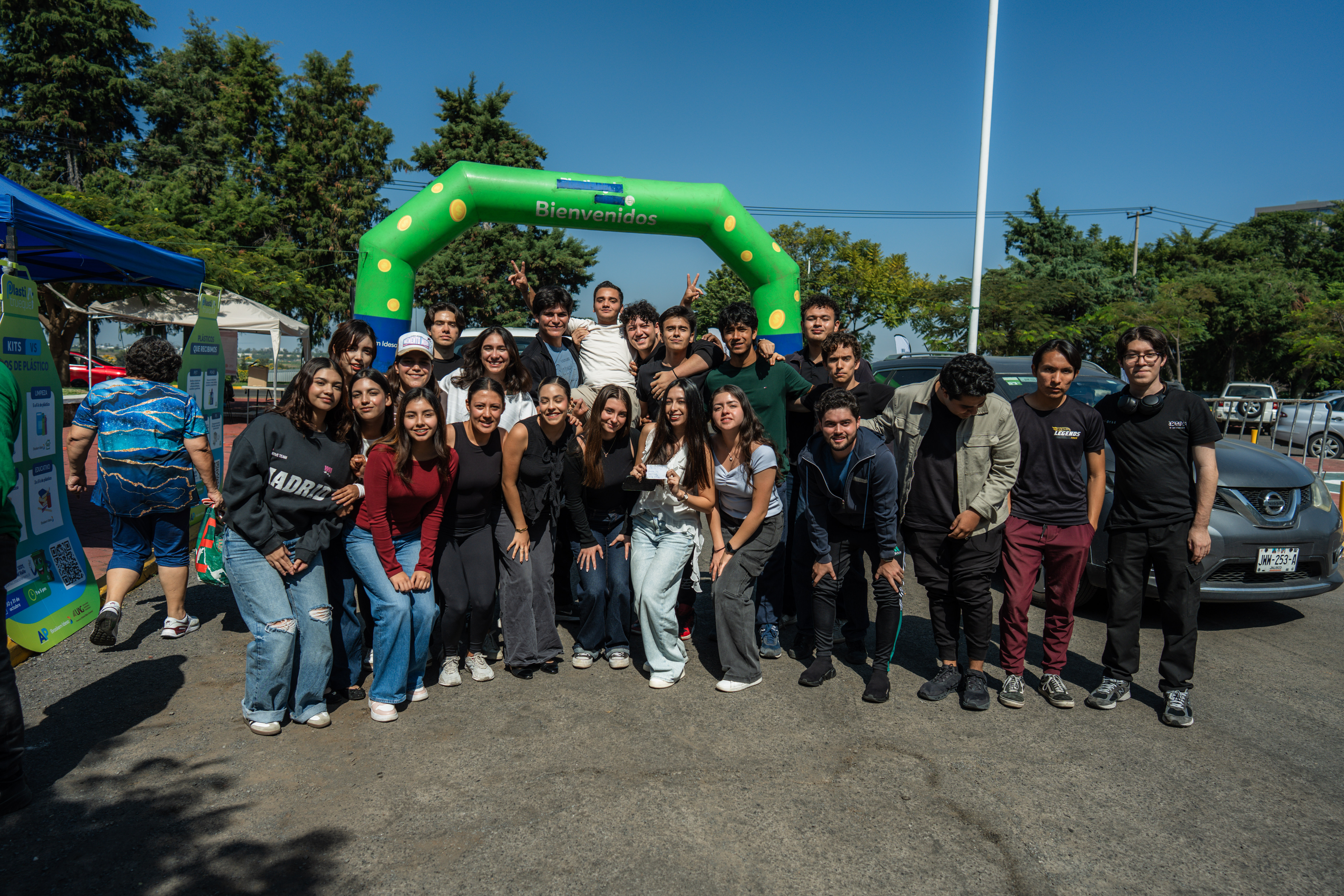
Braskem Idesa and UAG promote sustainability with Plastitrueque 2025
The transition to a circular economy requires concrete actions, collaboration between sectors, and informed citizen participation. Under this vision, Braskem Idesa and the Autonomous University of Guadalajara (UAG) held the third edition of Plastitrueque 2025, an initiative that combines environmental education, responsible recycling, and community support. The meeting reaffirms the company's commitment to the recovery of plastic waste and the strengthening of a sustainable culture in Mexico.
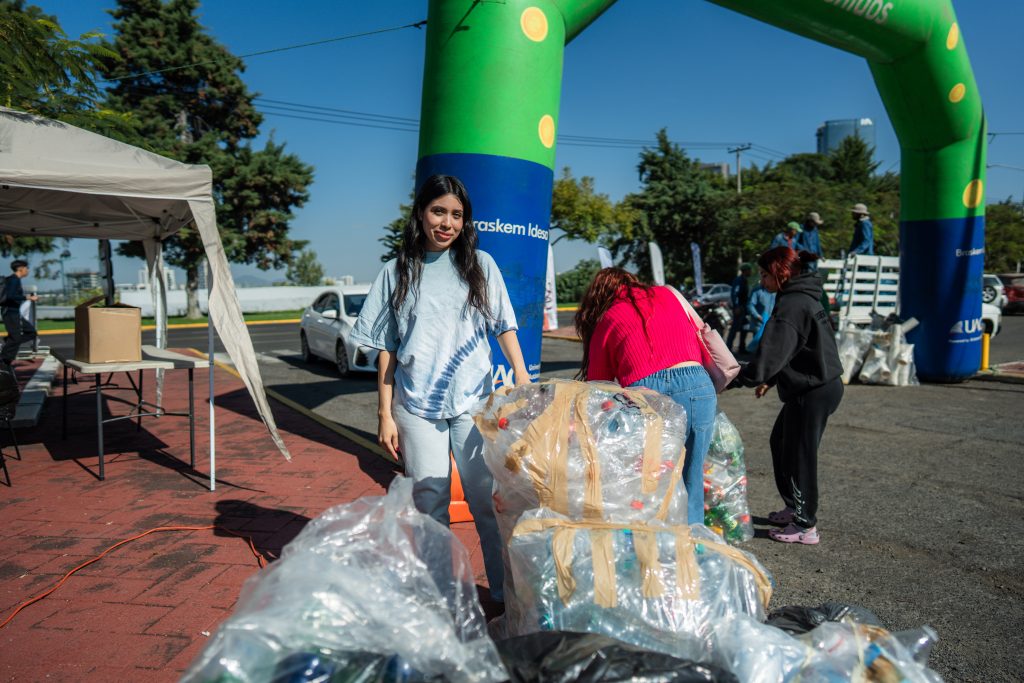
An event that combines community, education and recycling
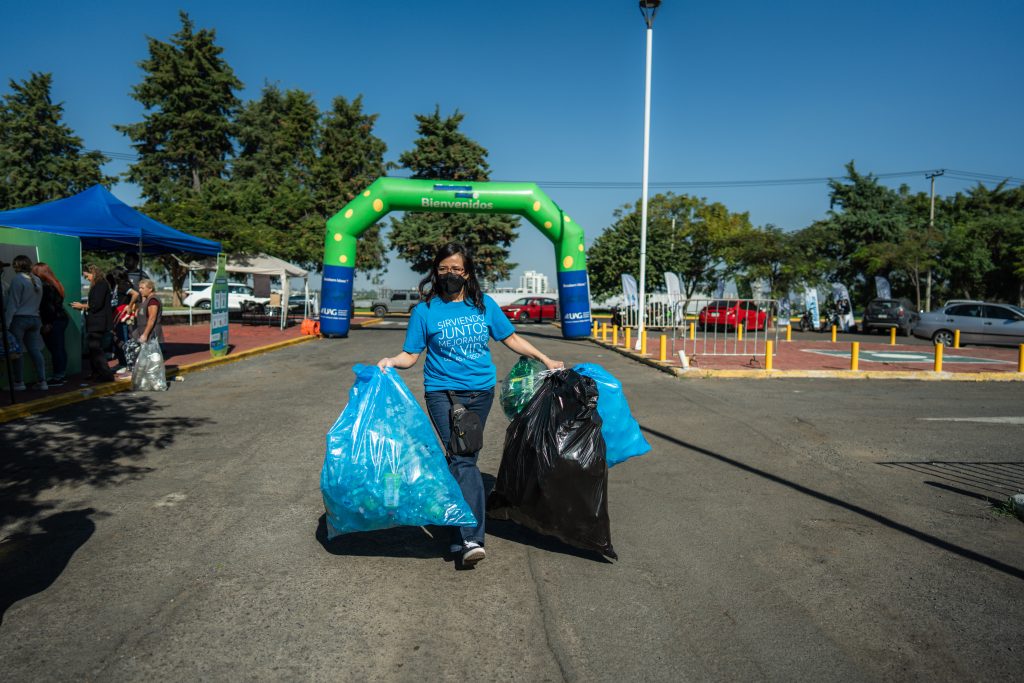
Plastitrueque 2025 brought together more than 2,500 attendees, including students, university staff and residents of Tlaquepaque, Tlajomulco de Zúñiga, Tonalá and Zapopan. The event served as a collection center where everyday plastic waste was received, as well as an educational space focused on the correct separation, disposal and recycling.
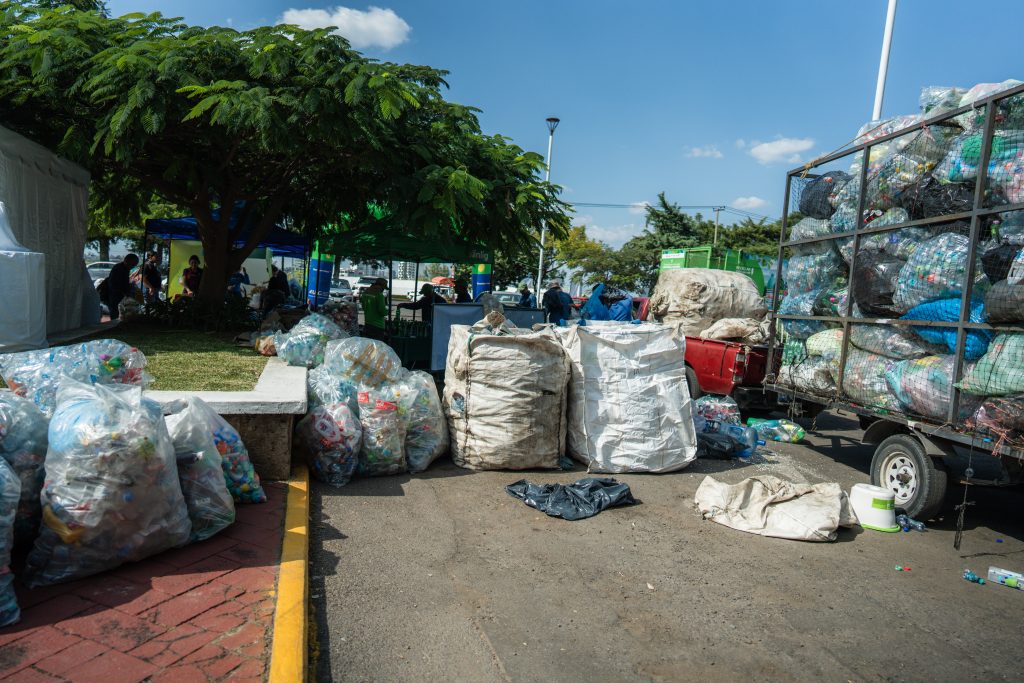
During this edition, 12 tons of plastic waste were collected, including HDPE, LDPE, PET and PP, which were sent to local recyclers located in Tonalá and Tlajomulco de Zúñiga for recovery through mechanical recycling. This work allows the materials to return to the productive cycle, becoming post-consumer resin.
The Plastitrueque stands out for its exchange model, where participants deliver clean and correctly separated plastic waste in exchange for products from the basic market basket. This dynamic strengthens community participation and helps to demonstrate that recycling can generate environmental, economic and social benefits.
Braskem Idesa's vision for the circular economy
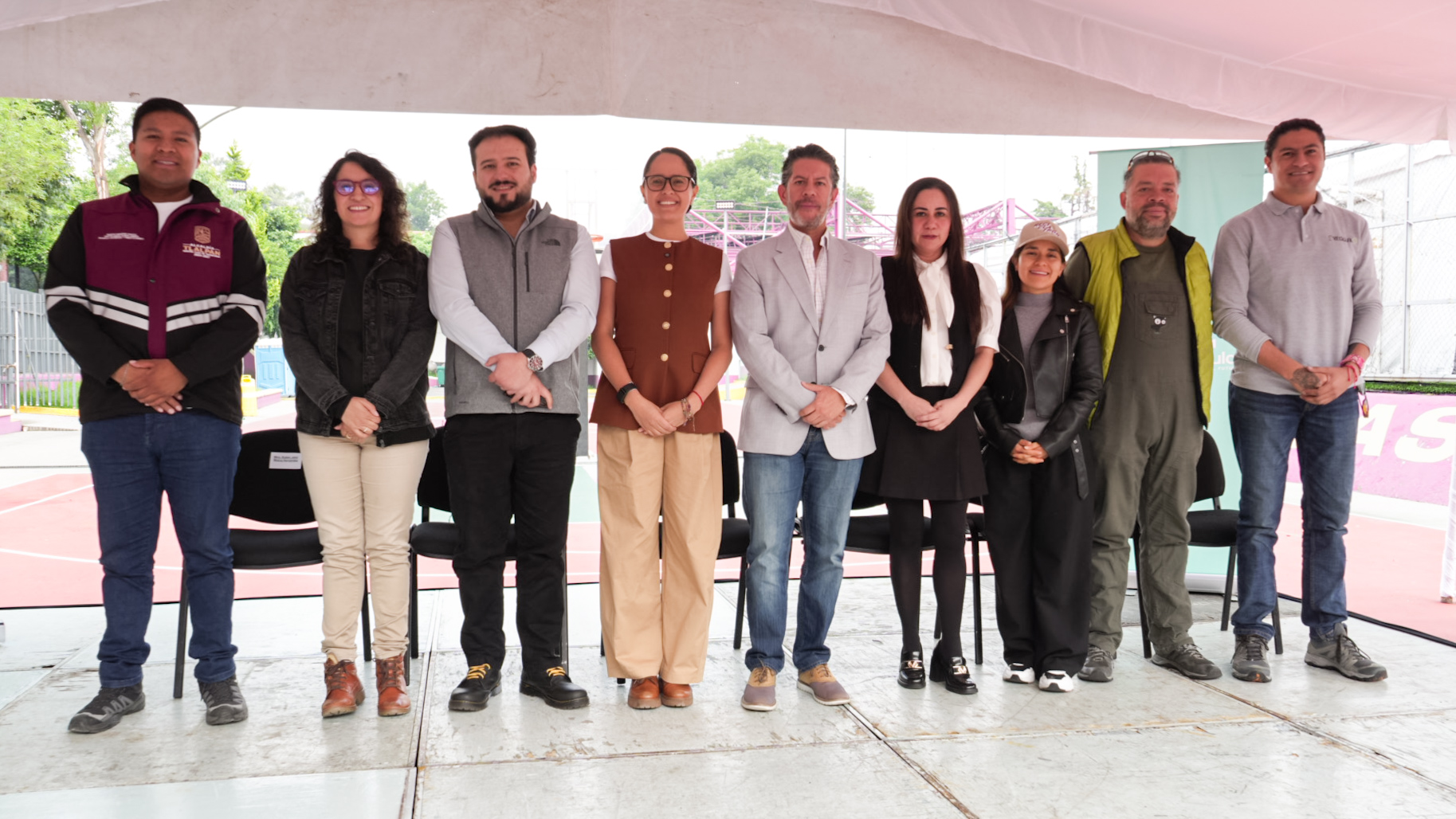
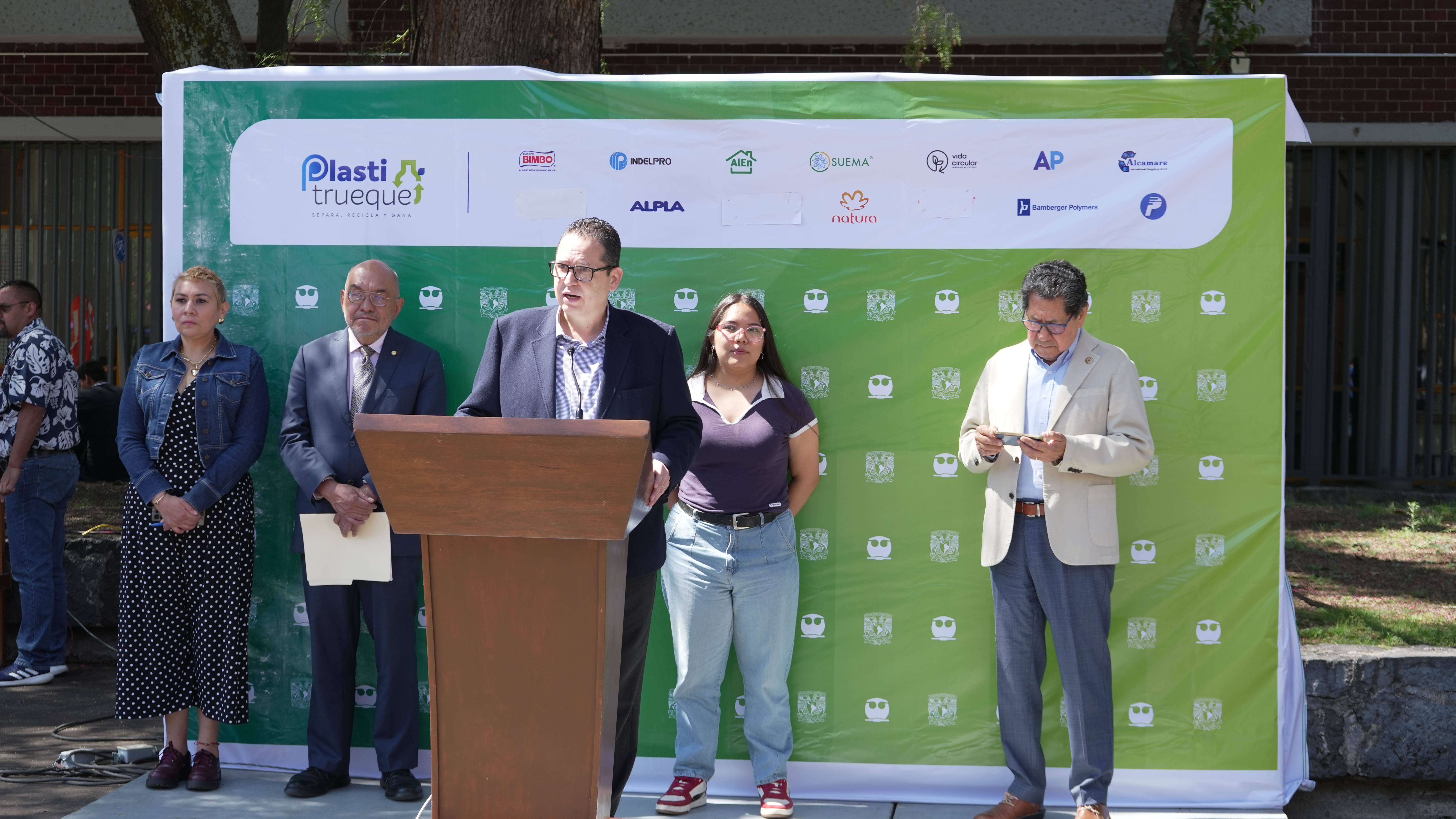
During the event, Mariana Albarrán Flores, Braskem's Sustainability Manager, stressed the importance of people separating their waste and delivering it clean to the collection trucks, since these systems are already equipped to receive separated waste. This seemingly small practice is a direct contribution to the sustainability of the planet.
Braskem Idesa bases its operation on the principles of the circular economy, creating sustainable raw materials and promoting solutions that reduce waste. Its approach includes:
- Adequate management of the use of natural resources.
- Ecodesign of products and packaging.
- Product reuse and recycling.
Although plastic is a fundamental material for sectors such as construction, automotive and medical, the company recognizes that its improper handling after consumption is part of the current environmental challenge. For this reason, its strategy emphasizes both education and the infrastructure needed to promote responsible solutions.
Braskem Idesa and UAG continue to work to consolidate these initiatives as spaces for meeting, learning and collective action.