

Zero Waste: What It Is and How to Apply the Zero-Waste Approach to Your Daily Life
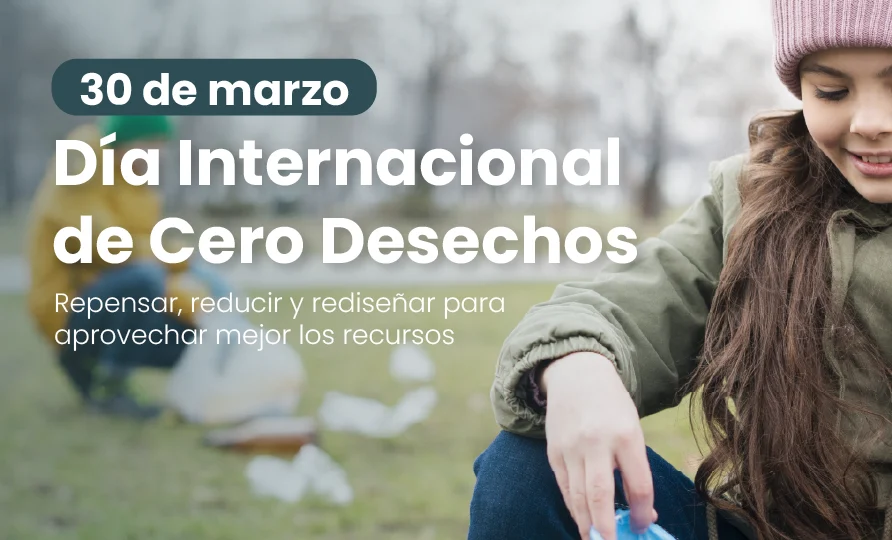
The concept of zero waste has gained prominence in recent years as a response to the increasing amount of waste we generate every day. Far from being a passing trend, this approach calls for a rethinking of the way we consume, use, and manage products in our daily lives.
In a context where waste—especially plastic waste—has a direct impact on the environment, adopting zero-waste practices becomes a key tool for moving toward more sustainable models. However, it is important to understand that the goal is not to completely eliminate waste overnight, but rather to reduce it gradually and manage it responsibly.
Zero waste: What does it really mean?
The term "zero waste" refers to a lifestyle and consumption model that aims to minimize waste generation. This involves not only reducing the amount of waste we produce, but also making better use of resources, extending the useful life of products, and reintroducing materials into new production cycles through recycling.
When we talk about “waste,” we’re referring to materials that are no longer useful to their users and that often end up in landfills or in the natural environment. The zero-waste approach aims to prevent these materials from becoming waste in the first place.
To achieve this, it relies on principles such as avoiding unnecessary items, reducing consumption, reusing products, recycling properly, and, in some cases, composting organic waste.
The difference between zero waste and responsible management
One of the most common misconceptions is that zero waste means stopping the use of certain materials, such as plastic. However, the current approach, in line with initiatives like Vida Circular, takes a more realistic view: using resources responsibly and ensuring that materials—especially recyclable ones—do not end up polluting the environment.
This means that the goal is not to completely eliminate the use of materials, but to ensure that they are properly managed at the end of their useful life.
For example, plastics can be part of a sustainable system when they are designed to be recyclable and integrated into efficient recycling systems.

Why is zero waste important today?
The importance of the zero-waste approach lies in its ability to reduce the environmental impact of our daily activities. Every product we consume has an associated environmental footprint, from the extraction of raw materials to its final disposal.
Adopting zero-waste practices helps reduce this footprint by cutting down on the amount of waste generated and promoting the reuse of materials.
- It reduces the amount of waste that ends up in landfills or natural areas.
- Reduces pollution of soil, rivers, and oceans
- It promotes recycling and the reuse of materials in new production processes.
- It promotes more mindful consumption that is aligned with actual needs.
- It promotes circular economy models, in which materials remain in use for longer.
How to Start a Zero-Waste Lifestyle in Mexico
Adopting a zero-waste approach in Mexico doesn’t require radical changes, but rather gradual decisions that can be incorporated little by little into daily life. The key is to identify everyday habits that generate waste and find more sustainable alternatives.
Rather than striving for perfection, the goal is to work toward a steady reduction in waste.
- Review your spending habits: Before making a purchase, ask yourself if you really need the product.
- Choose reusable products: opt for items that can be used multiple times instead of disposable ones.
- Sort waste properly: identify recyclable materials and make sure they are clean and dry before disposing of them.
- Learn about local recycling: find out about the collection and recycling systems available in your community.
- Extend the life of products: repair, reuse, or donate before discarding.
The role of recycling in the zero-waste movement
Recycling is a key component of the zero-waste model, but it is not the first step. Before recycling, it is essential to reduce and reuse. However, when a material can no longer be used, recycling it properly allows it to be transformed into raw material for new products.
In the case of plastics, proper recycling prevents them from entering natural ecosystems and allows them to be reintegrated into production processes, thereby contributing to a circular economy.
For recycling to be effective, it is important to:
- Sort waste by material type.
- Do not mix organic waste with recyclables.
- Clean the containers before discarding them.
- Please dispose of the materials at the appropriate collection points.
Toward a zero-waste culture
With the zero-waste system, every action—no matter how small it may seem—helps reduce our environmental impact and build a more sustainable model.
In this process, recycling plays a key role, especially when it comes to materials like plastic, which can be reused many times if managed properly.
Adopting a zero-waste approach means rethinking our habits, making more informed decisions, and understanding that every choice counts. From properly sorting waste to consuming more mindfully, we can all be part of a solution that benefits the future.