
Green World Cup in Mexico City: 10 Key Areas for Building a More Sustainable Event
Mexico City unveiled the "Green World Cup" strategy, an initiative comprising 10 key areas of action aimed at reducing environmental impact and promoting more responsible habits in the lead-up to the 2026 World Cup.
The announcement was made by the head of government, Clara Brugada Molina, who noted that hosting an international event involves not only organization but also a responsibility toward the city, the surrounding area, and its residents.
From the perspective of Circular Life, this proposal is significant because it incorporates concepts such as the circular economy, recycling, waste reduction, and sustainable mobility. In other words, it suggests that major events can also serve as opportunities to promote better environmental practices.
What is Mundial Verde?
The goal is to ensure that the 2026 World Cup is not just a sporting event, but also a model for how to incorporate environmental considerations into its organization.
In addition to welcoming visitors, the goal is to showcase the city’s natural resources, its conservation areas, local agricultural production, and capacity for innovation in environmental matters.
The 10 Pillars of the Green World Cup
The strategy is organized into different lines of action. These are the main approaches:
- Reduce single-use plastics and promote reusable alternatives
- Promote recycling and proper waste separation
- Creating street furniture from recycled materials
- Promote the consumption of local products such as amaranth, honey, and prickly pear
- Protect areas such as Xochimilco and its wetlands
- Promote sustainable tourism
- Support local flower growers
- Adopt cleaner solutions and technologies
- Promote sustainable mobility (public transportation, biking, and walking)
- Develop souvenirs using natural and locally sourced materials
The Circular Economy and Recycling: A Real Opportunity
One of the key priorities for Vida Circular is the adoption of the circular economy approach. This model aims to keep materials in use for longer through reuse, recycling, and product redesign.
At a massive event like the World Cup, this translates into something very concrete: sorting waste more effectively, recycling more materials, and preventing everything from ending up in the trash.
It also provides an opportunity for visitors and residents to reinforce daily habits such as:
- Sort recyclable waste properly.
- Please bring clean, dry containers for recycling.
- Choose reusable products whenever possible.
- Get involved in community activities.
Reducing plastic: use it better, not necessarily less
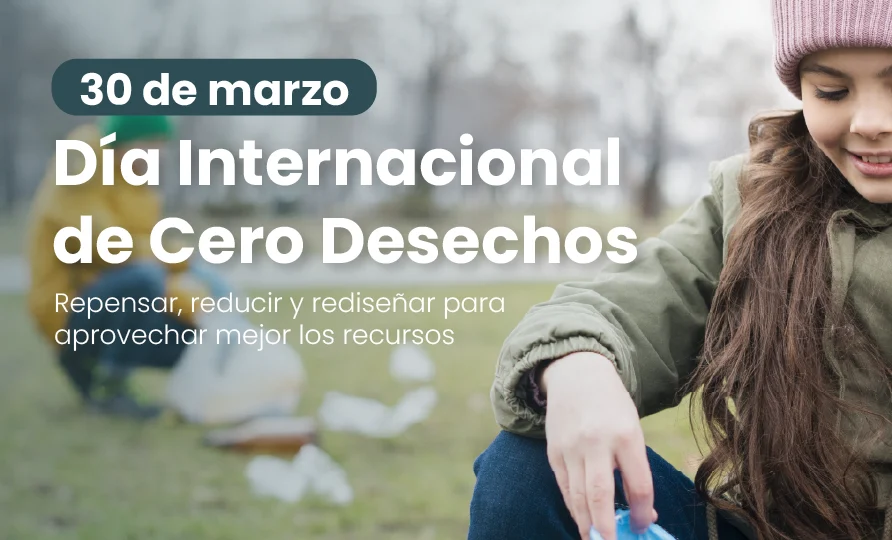
One of the program's goals is to reduce single-use plastics. But this does not mean eliminating the material entirely.
Plastics serve important purposes, especially when it comes to hygiene and food preservation. The challenge lies in avoiding unnecessary use and, above all, ensuring that they are recycled properly.
Rather than banning things, the conversation is shifting toward better use, better sorting, and better recycling.
Clean transportation and better air quality
Another key focus is promoting transportation options with a lower environmental impact, such as public transportation, cycling, and walking.
In a densely populated city, improving mobility not only benefits World Cup visitors but can also provide lasting benefits for those of us who live here, by reducing emissions and travel times.
For Vida Circular, any effort that brings the public closer to the circular economy and responsible recycling adds value. Sustainability doesn’t depend solely on major public policies; it’s also built through everyday actions at home, at school, in the office, and at large-scale events.
The Green World Cup sparks a conversation about how we want to live in the cities of the future: with less waste, better mobility, and a more mindful approach to resources.
Beyond the event itself, the real challenge will be turning these initiatives into lasting habits. Sorting waste, recycling properly, choosing reusable options, and taking care of public spaces are actions that can continue long after a major event like the World Cup.